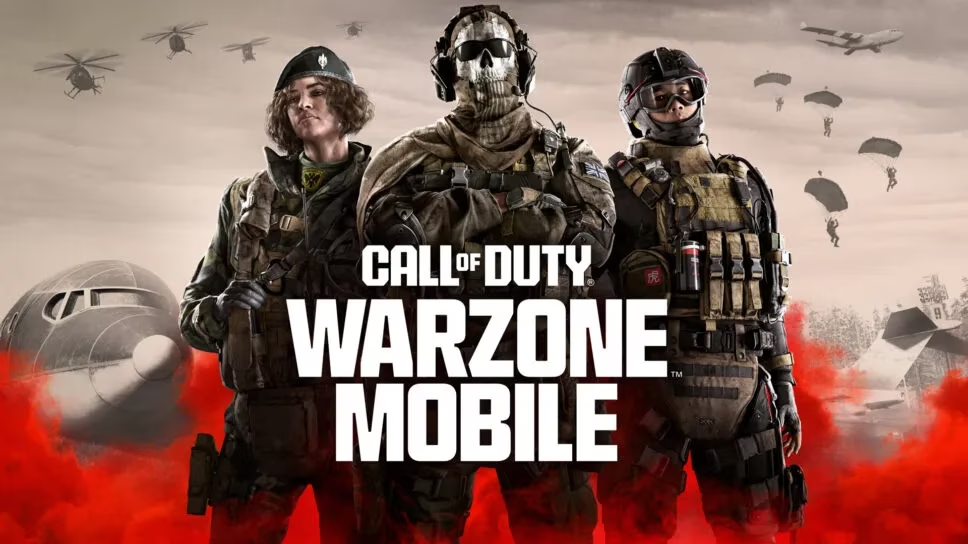
In March 2024, the mobile gaming landscape was forever changed with the worldwide launch of Call of Duty: Warzone Mobile. This landmark release brought the high-octane, large-scale battle royale experience directly to iOS and Android devices, fulfilling a long-standing demand from the franchise's massive fanbase. Developed by Activision, the game promised to deliver authentic Call of Duty action optimized for touchscreens, and its debut was met with significant anticipation and fanfare. The launch was not merely a port but a dedicated effort to create a cohesive ecosystem within the Call of Duty universe, setting a new standard for mobile-first AAA gaming experiences.
Launch and Initial Content
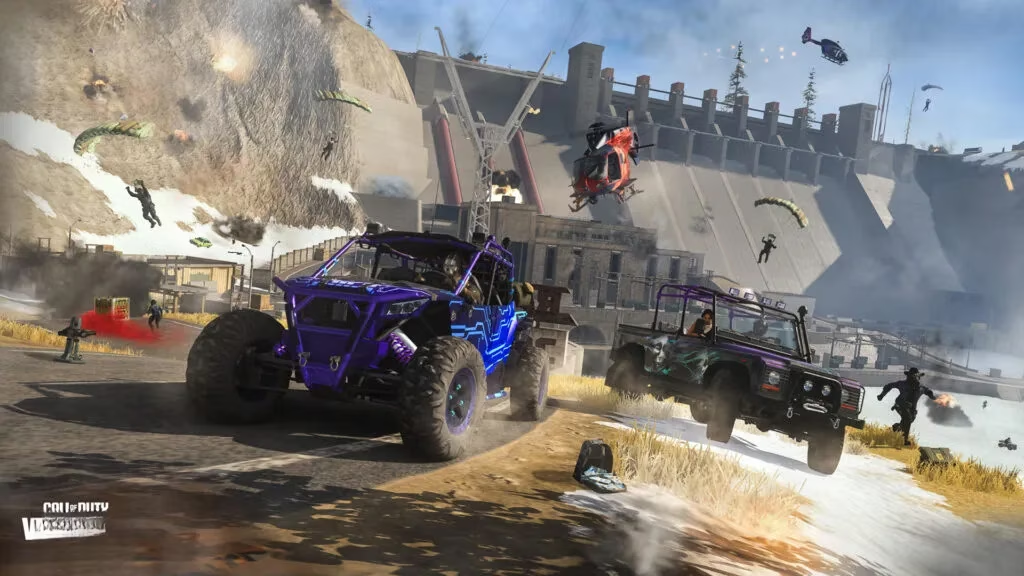
The game officially went live globally on March 21, 2024. Activision deployed the title simultaneously for users on both major mobile platforms, ensuring a unified community from day one. To anchor the experience, two iconic and large-scale maps from the franchise's history were available at launch: the sprawling urban and rural landscape of Verdansk and the intense, close-quarters arena of Rebirth Island. These maps were designed to support the classic 120-player battle royale matches that define Warzone.
Complementing these vast battlegrounds were smaller, fast-paced maps like Shipment and Shoot House, which were available in various multiplayer modes. This combination provided players with a versatile gameplay palette, catering to both strategic, long-form battle royale sessions and quick, action-packed multiplayer skirmishes.
The Revolutionary Shared Progression System
Perhaps the most defining and forward-thinking feature announced for Warzone Mobile was its deep integration with the broader Call of Duty ecosystem. Activision implemented a groundbreaking shared progression system that linked Call of Duty: Warzone Mobile with its console and PC counterparts, specifically Call of Duty: Modern Warfare III and Call of Duty: Warzone. This was a game-changer for the franchise's cross-platform strategy.
By simply logging in with their Activision ID, players could carry their entire profile across devices. This seamless integration meant that effort and investment in one game were recognized in all others. The shared elements were comprehensive and included:
-
Player Level & XP: Progression earned on mobile counted toward your overall Call of Duty level.
-
Weapon Level & Camo Challenges: Unlocking attachments and completing camo challenges on a weapon in Modern Warfare III would make those upgrades available in Warzone Mobile, and vice-versa.
-
Battle Pass Progression: Purchasing and progressing through a seasonal Battle Pass on any platform granted rewards across all linked games.
-
Store Bundles & Cosmetics: Operator skins, weapon blueprints, and other cosmetic items purchased in one game became accessible in the others.
-
Social Features: Friends lists and clans were synchronized, making it easy to squad up regardless of the platform.
This system effectively broke down the traditional barriers between mobile and console/PC gaming, creating a truly unified player journey. It incentivized engagement across all titles and ensured that mobile players were full participants in the seasonal narrative and content drops of the Call of Duty universe.
Visuals and Performance on Mobile
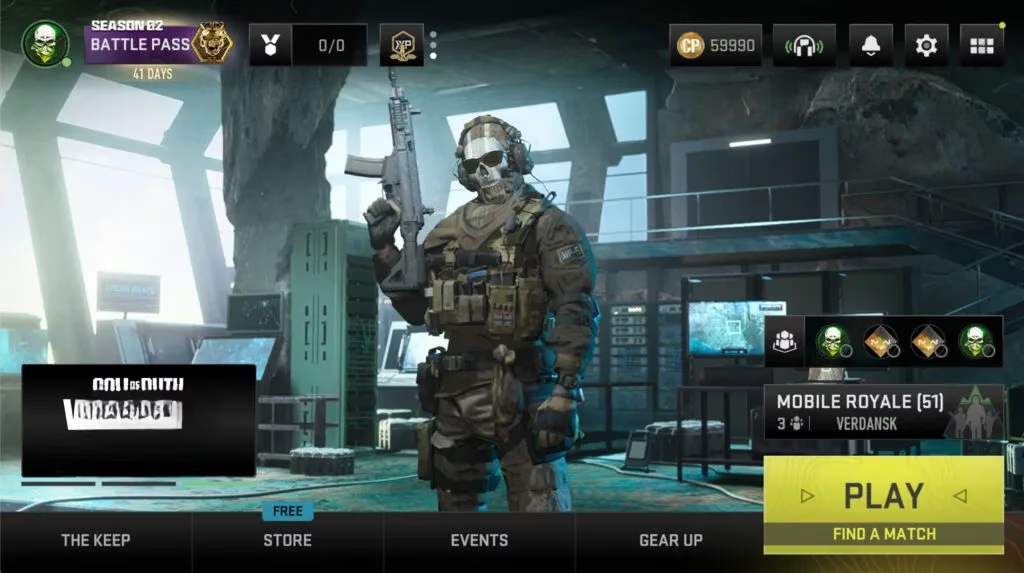
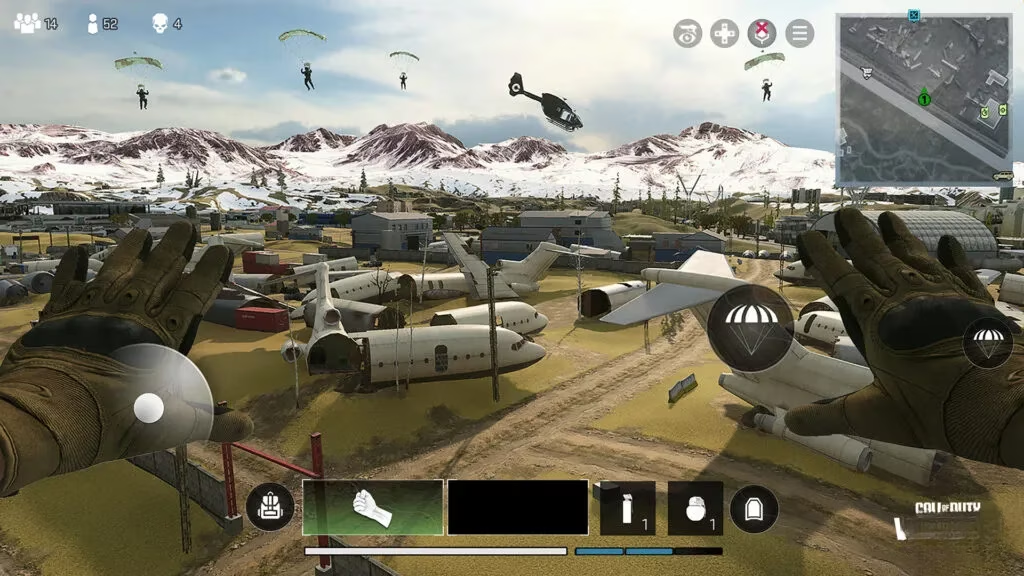
Activision faced the significant technical challenge of translating a graphically intensive AAA experience to mobile hardware. Screenshots and early gameplay footage revealed a dedicated effort to maintain the visual identity of Call of Duty. The game featured recognizable lighting effects, detailed weapon models, and the distinct atmospheric design of maps like Verdansk. While naturally scaled for performance on a range of devices, the visual fidelity was impressive for a mobile title, aiming to provide an immersive experience that felt authentically like Warzone.
The lobby interface, as shown in promotional material, was streamlined for touch input while retaining the familiar aesthetic of the franchise's menus. This attention to detail in UI/UX design was crucial for making the complex systems of loadouts, progression, and social features accessible on a smaller screen.
Legacy and Impact in 2026
Looking back from 2026, the launch of Call of Duty: Warzone Mobile is seen as a pivotal moment. It successfully demonstrated that a core, competitive shooter experience could thrive on mobile without being a diminished version of its console sibling. The shared progression model it pioneered has since become an industry benchmark for cross-platform live-service games, encouraging player retention and ecosystem loyalty.
The game's initial offering of Verdansk and Rebirth Island served as a powerful nostalgic draw for veteran players while introducing new mobile audiences to these legendary locales. Its success paved the way for continuous content updates, new map rotations, and seasonal events that have kept the mobile community actively engaged for years.
In essence, Call of Duty: Warzone Mobile was more than just a new game release; it was the completion of Activision's cross-platform vision. It affirmed the mobile platform as a legitimate and integral pillar of the Call of Duty franchise, allowing players to take their progression, their arsenal, and their squad with them anywhere. The countdown to its March 2024 launch culminated in the beginning of a new, more connected era for one of the world's most popular gaming franchises.